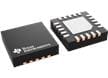




TPS25751SRSMR

Texas Instruments
595-TPS25751SRSMR
TPS25751SRSMR

Mfr.:

Description:
USB Interface IC USB Type-C and USB P ower Delivery (PD)

Lifecycle:
New Product:
New from this manufacturer.
ECAD Model:
Download the free Library Loader to convert this file for your ECAD Tool. Learn more about the ECAD Model.
Mouser does not presently sell this product in your region.

Availability

Stock:

Product Attribute Attribute Value Select Attribute
Texas Instruments
Product Category: USB Interface IC
Delivery Restriction:
 Mouser does not presently sell this product in your region.
RoHS:  
TPS25751
USB Controllers
USB Power Delivery Controller
SMD/SMT
VQFN-32
USB-C PD
High Speed (HS)
3 V
3.6 V
- 40 C
+ 125 C
Reel
Cut Tape
MouseReel
Brand: Texas Instruments
Country of Assembly: CN
Country of Diffusion: US
Country of Origin: CN
Interface Type: I2C
Moisture Sensitive: Yes
Operating Supply Voltage: 3 V to 3.6 V
Product Type: USB Interface IC
Factory Pack Quantity: 3000
Subcategory: Interface ICs
Products found:
To show similar products, select at least one checkbox
Select at least one checkbox above to show similar products in this category.
Attributes selected: 0

This functionality requires JavaScript to be enabled.

CNHTS:
8542391090
CAHTS:
8542310000
USHTS:
8542310030
ECCN:
EAR99

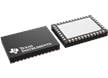
TPS25751 USB Type-C™ & USB PD Controller

Texas Instruments TPS25751 USB Type-C™ and USB Power Delivery (PD) Controller is a highly integrated standalone USB Type-C and Power Delivery (PD) controller optimized for applications supporting USB-C PD Power. The TPS25751 integrates a fully managed power path with robust protection for a complete USB-C PD solution. The Texas Instruments TPS25751 also integrates control for external battery charger ICs. This feature makes for ease of use and reduces the time spent on marketing. The intuitive web-based GUI asks the user a few simple questions about the application's needs using clear block diagrams and simple multiple-choice questions. The GUI then creates a configuration image for the user's application. This process reduces much of the complexity associated with competitive USB PD solutions.